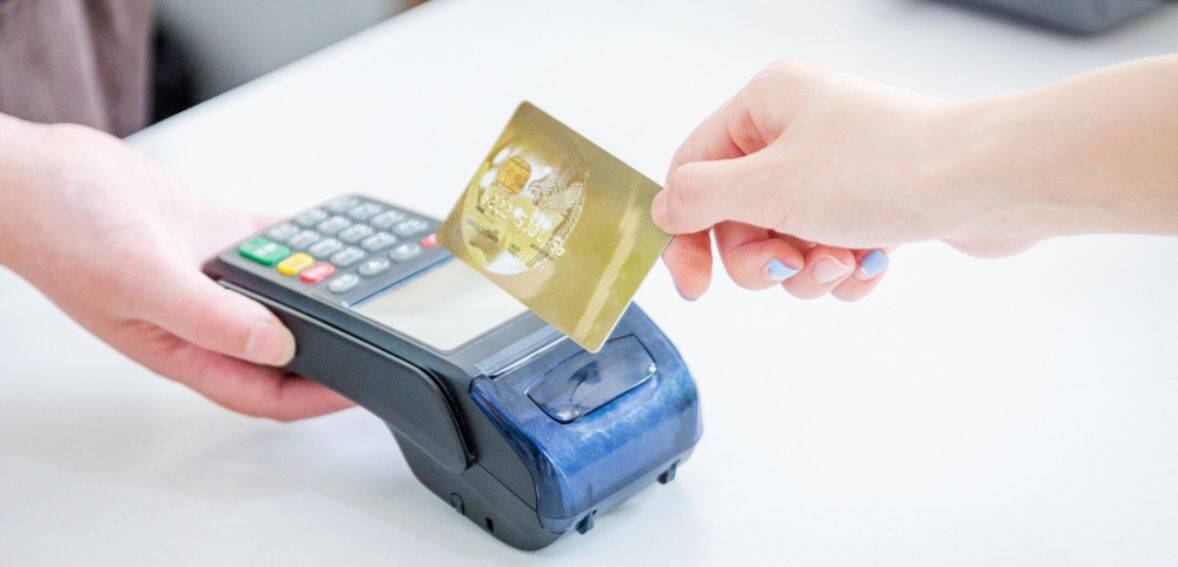
Customer experience doesn’t end with product quality or pricing. How customers pay plays a big role in how they feel about your business. Flexible payment options make checkout easier, reduce frustration, and give customers more control over their purchases. When people can pay in a way that suits their needs, they feel more confident, valued, and more likely to return.
How Lack of Flexible Payment Options Can Cost You Sales
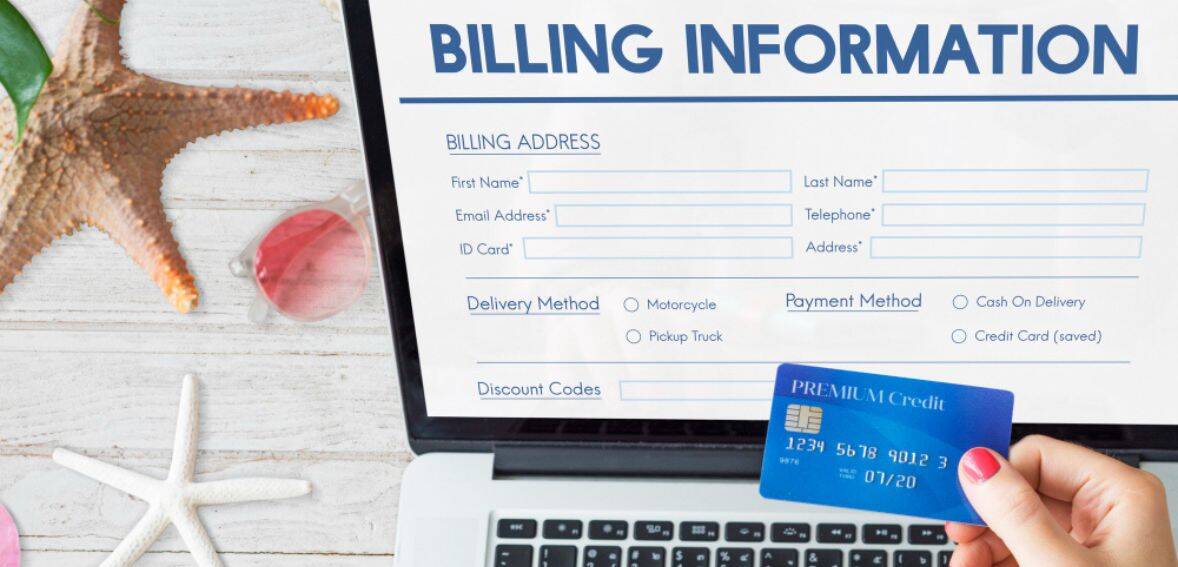
When customers proceed to checkout without seeing their preferred option available, most customers would get frustrated or even abandon their cart. Just imagine investing your precious time loading your cart with products only to be let down at the last minute because your preferred payment method is not available. The inconvenience will cause most people to walk away without carrying out any further endeavors to see if they have any other available option to pay with.
But the impact is not limited to one sale. It could further hurt the business customer base and lower their chances of returning. Today’s consumers, and younger ones in particular, want multiple payment alternatives. If it is not available, then they will feel as if they are dealing with an outdated business, which in turn will result in lost profits.
How Flexible Payment Options Help to Grow Sales
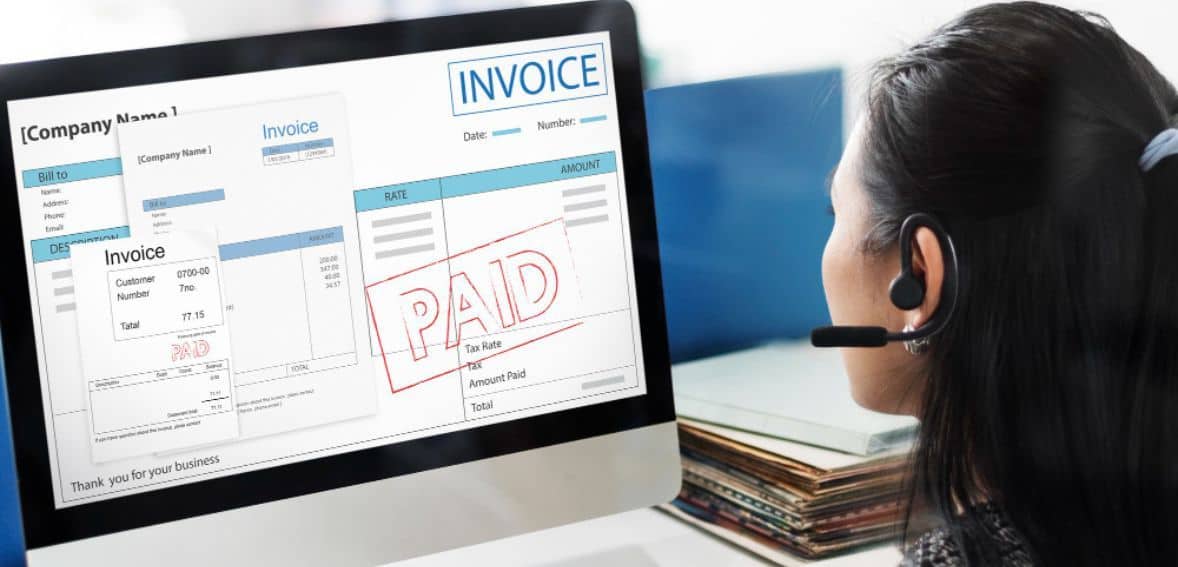
Firstly, they increase conversion rates. Abandoned carts are a common issue, particularly when customers arrive at checkout to complete their shopping and don’t see their preferred payment method. By offering multiple ways to pay, you’re eliminating one of the big reasons shoppers leave on the last step. Since these customers have already decided to buy, losing them at checkout can hurt revenue more than losing them earlier in the journey.
Flexible payments appeal to impulse buyers, too. So many purchases are unplanned; people often just buy on the spot because it doesn’t feel like a big deal. When customers can pay instantly using their preferred methods they are familiar with, they’re more likely to follow through instead of stopping to think it over. Fast, simple checkout supports those impulsive decisions.
Secondly, another advantage that can be derived from this technology is enhanced customer retention. The positive customer impression created by a seamless payment process gives customers a lasting memory. If customers are satisfied with the ease of making payments, they will be encouraged to come back and make more in the future.
Thirdly, providing flexible payment choices will also give you opportunities to attract new customers. Young consumers will probably want to use electronic and mobile payment choices, and you can attract them by providing those payment choices. If you market products internationally, providing choices for the local payment system will give you opportunities to attract new customers from those countries.
Finally, flexible payment systems offer you far more insights into the behavior of customers. Each purchase gives you invaluable information about payment choices as well as purchase decisions. This invaluable information, when gathered automatically, can help you make more informed decisions about your products, pricing, and even customer service.
7 Flexible Payment Methods to Drive Better Customer Experiences

Invoices & Customer Payment Portals
Customer payment portals are one major aspect that has been introduced in the B2B payment system. Customer payment portals enable customers to log into their accounts and view their statements, balances, and payment history from the same interface. Rather than calling the customer each time for their payment statement, customers are now capable of doing this task on their own time. They also get the option to choose whether they want to make the full payment or just a part, depending on their convenience. All payment data is secure since the credit card details are not disclosed directly to the business.
On the other hand, opening and maintaining a portal may have some expenses and technical work. Some customers may also have to adjust if, for instance, they have been using offline billings.
Mobile Wallet Payments
Mobile wallets have transformed the way one pays for anything, from movie tickets to groceries. Naturally, this transition has now begun to extend towards B2B transactions. Buyers use smartphones for research, approvals, and purchases, so they also want payments to be equally seamless. Moreover, with mobile wallets like Apple Pay, Google Pay, and Samsung Pay, any form of payment is just a single tap away without requiring the entry of card details. This makes checkout quicker, cuts down on potential errors, and minimizes the likelihood of customers abandoning partially completed payments. Mobile wallets also feel more secure to many users, and knowing your transaction is safe builds confidence and nudges people toward faster payments.
On the downside, not every B2B buyer is on mobile wallets, and sometimes additional processing fees or possible system upgrades to accommodate the payments are required for businesses.
Recurring Billing
Recurring billing can benefit those businesses or websites that provide subscriptions or repeat transactions. Using this system, customers do not have to think about the dates of the transactions and do not have to carry out all transactions manually. This system will provide customers with a convenient and seamless experience of transactions and will result in fewer late or missed payments. Businesses will get a smooth and consistent flow of money because transactions will occur in the background without any manual process.
However, proper billing and communication processes must occur in recurring billing. Failed payments or expired cards can still cause disruptions if not managed properly, and some customers prefer manual control over payments.
Bank Transfers
Bank transfers remain a widely trusted payment option, particularly for high-value B2B transactions. ACH or similar types, to ensure that money moves directly from one bank account to another for reliable and cost-effective transactions. Such payments entail lower processing fees in comparison to card payments, with a preference for high-value or international transactions. This also greatly aids businesses in managing large volumes of payments with increased efficiency.
The downside could be that bank transfers take a bit of time to settle and may require manual reconciliation. For some buyers, it could be less convenient compared to simply downloading payments instantly.
Buy Now Pay Later (BNPL)
“Buy Now, Pay Later” services have also moved beyond the realm of speciality. For B2B, BNPL helps customers break off the amount to be paid into several installments while the business gets the amount upfront. For customers, BNPL helps improve cash flow management and also results in approvals getting done in no time, especially when the amount is high.
For the business, BNPL helps in increasing the average amount in the cart and avoiding delays in transactions, which can take time. As the problem of payment is managed by the BNPL service, the business incurs no additional risks. There are charges for the service, though, and this might affect the bottom line. Additionally, customers might end up buying more than they can afford when using BNPL.
Cryptocurrency Payments
Cryptocurrency payments are yet to fully emerge within the B2B arena, but their use is increasing among worldwide and tech-driven corporations. The use of cryptocurrency payments can make worldwide payments faster and less dependent on a traditional banking system for currency exchange and transfer processing. Moreover, accepting cryptocurrency payments can also make a company look modern and innovative.
However, the price of the cryptocurrencies may fluctuate. The other challenge may be the requirements in terms of regulation and compliance that may make it less adaptable for general purposes.
Rewards & Points Programs
Reward programs and point systems assist in creating an even stronger bond for the business to maintain with its customers. By accumulating reward points for their purchases, referrals, and early payment, the customers feel appreciated and are likely to return to the business. The reward points are used by the customers to get discounts, upgrades, and special treatment. By integrating the reward programs with the business’s CRM and marketing tools, the business obtains a deeper understanding of the customers’ behavior and preferences.
However, there is also the need for effort and cost in managing rewards programs. If poorly designed, rewards can drive up costs without driving engagement.
Implementing Multiple Payment Options

When coming up with new ways of receiving payments, it is important to plan in such a way that you will benefit as well as your customers. Firstly, understand your customer preferences by reaching out to them through surveys, customer support, or purchase behavior to understand what forms of payment they already prefer. By providing what they prefer, you will have a greater opportunity to convert them into sales.
Next, examine the costs involved. Each and every payment method incurs charges, be it processing fees, setup fees, or system upgrades. Prior to introducing new systems, calculate the involved costs and weigh them against the benefits, including increased sales conversions or increased customer satisfaction.
Let’s not forget security, which is one of the major factors. Security requirements for any payment solution you launch should be in compliance with industry standards and regulations. This will involve the protection of consumer data and regulatory requirements that are in accordance with PCI standards in the case of card payments.
It is also necessary to ensure that payment options are integrated well with the systems in place. A payment solution that works well with any existing software will ensure a smoother transition and will not cause any inconvenience to the customers during the payment process.
Lastly, treat payment optimization as an ongoing process. Make sure you monitor the performance of all the available payment alternatives and make adjustments according to the drops or delays being experienced. This will ensure you improve the payment process in your company and ensure you meet the changing customer demands.
How to Handle Flexible Payment Challenges Effectively
Increased sales are definitely one of the potential benefits that come with flexible payment options, but challenges associated with implementing this strategy can also cause bottlenecks, which require careful handling by a business.
Firstly, one of the common issues includes higher transaction costs due to extra fees charged by some payment tools. To minimize this problem, businesses should periodically review pricing while focusing on the options customers use most.
Secondly, there is also an increased risk of fraud or late/deferred payments, particularly with those methods based on installments. Using secure payment gateways, strong verification tools, and clear rules on payments will help to minimize this risk. It can also complicate cash flow projections. For this, limit the number of buy-now-pay-later options, monitor payment timelines closely, and work only with providers who have a faster settlement process.
Finally, a large number of payment choices can confuse customers and complicate checkout. These should be kept simple and well-organized to ensure flexibility without confusing buyers. When properly managed, flexible payments remain a beneficial tool rather than a liability.
Proven Strategies to Maximize Flexible Payment Marketing
To get the most value from flexible payment options, businesses need to actively promote and simplify them for customers. Firstly, by highlighting Buy Now, Pay Later options on product and purchase pages, as well as in promotional material, consumers will recognize and trust these alternatives. Employing consumer data in tailoring payment options will make these services personalized and tailored, such as providing consumers with longer payment options as an element of consumer loyalty programs.
Secondly, offering consumers flexible payment options in return for loyalty rewards will also promote purchasing and consumer-merchant relationships. By highlighting these options through emails, social media, advertisements, and in-store promotion, businesses can ensure consistency in promoting their multiple payment options. In addition, simplifying and expediting the purchase process for consumers will allow flexibility without much consideration and calculation of all costs. By being clear and up front in explaining payment terms and options, merchants can build trust to make sure consumers can confidently make their purchasing decisions.
Conclusion
Flexible payment options are now a key component of a good customer experience. This means that businesses can make a payment experience that is easier, more trusted, and more convenient for the customer. If a payment experience is easy, secure, and flexible, the customer will find it easy to make a purchase as well as make repeated purchases in the long run.
FAQs
What are Flexible Payment Solutions?
Flexible payment terms enable customers to decide how and when payments are made, whether through installment payments, digital payments, bank payments, or subscription billing methods.
What are the benefits of flexible payments for the customer?
They remove barriers from checkouts, deliver more control, and meet consumer preferences, which translates to enhanced satisfaction and trust in the business as well as seamless purchasing experiences.
Do flexible payment terms improve sales?
Yes, they reduce lost carts, trigger impulse purchases, and retain new customers as payments become faster and easier.
Are flexible payment options secure?
When done right, these processes meet the security guidelines of the industry, ensure the safety of customers’ data, and foster confidence in trusted and compliant payment systems.
Is flexibility in payment options essential for every business?
LAlmost all businesses can benefit, but the means to make the payment must be determined based on customer needs, costs, and other functionalities to achieve a smooth process.
Leave a Reply