
By Charles West April 10, 2026
Small businesses are not just where transactions occur; they are an integral part of a city’s character and tempo. In Bethlehem, small businesses, coffee shops, and other service providers create a web that keeps the local economy alive and connected. Each transaction made here is not just an isolated event but contributes to something larger.
However, the way we shop has changed. Large retail chains and the internet have made convenience the new norm, making it the primary driver of transactions. This is especially true even for people who like spending local. This is not because they do not want to contribute to their local businesses, but because it is easier to do otherwise.
It is here that useful tools like gift cards and store credits can work their magic. They do not coerce but nudge. They can be useful levers to get customers to come back and shop again, and to be loyal to local businesses. The challenge is how to implement these tools in a way that is both organic and appealing to the customer, and genuinely useful to local businesses.
Why Keeping Spending Local Matters

When money is spent locally, it does not stay in one place. It moves. It moves from one business to another. It moves from one worker’s paycheck to another business. This movement creates stability and growth in the community.
For Bethlehem businesses, this circulation directly influences growth. Local merchants must evolve how they engage customers and perceive their role in the community’s financial flow.
When money flows are high, the local economy thrives. When it is low, the local economy suffers. This is why businesses must have ways to keep customers connected. This is why gift cards and store credit are so important. They are natural fits for keeping those customers connected.
Understanding the Role of Gift Cards

Gift cards appear simple in their application; however, their impact is more significant than the initial transaction. The business not only collects immediate revenue when the customer buys the gift card, but its real potential lies in the card’s redemption.
In general, customers will not spend the full amount on the gift card; instead, they will spend more on top of it. This is where the business can collect more revenue without needing more promotional activity at the time.
There is also the potential for discovery. Gift cards are often purchased for customers who might not have visited the business previously. The first time they visit the business is the potential for repeat business. In this way, the business can generate more revenue from gift cards while attracting new customers.
Store Credit: Turning Problems into Opportunities
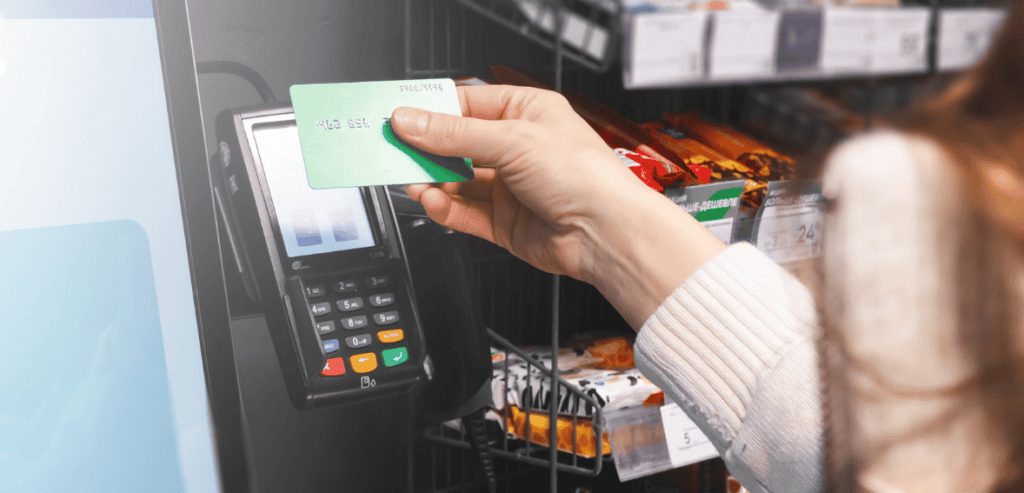
Store credit operates differently from gift cards. However, it has the same level of value.
Store credit is usually offered for returns, refunds, and services. Instead of losing the sale entirely, the business retains it in its system.
This system works for both the business and the customer. The customer feels their problem has been solved. The business feels confident that the money will be recirculated in the future.
This system can be applied in several ways. For instance, the business can use store credit as a promotional tool. The trick is to use the store credit as an incentive rather than a limitation. When customers feel they are gaining more, they are more likely to use the credit and return.
Designing Gift Cards That Actually Get Used
One of the largest problems with gift cards is the redemption process.
Unused gift cards represent unused potential in customer relations. The sale was already made; the relationship was not fully established.
To maximize card redemption, the merchant should consider the cards’ accessibility and visibility. Digital gift cards can be more accessible to customers. Physical gift cards should be portable and identifiable.
Another factor is the timing. Promoting the cards during holidays or events can maximize their potential. Communicating the cards’ potential use locations will reassure the customer that they can be used. The objective is to maximize card redemption.
Encouraging Local Circulation Through Partnerships

One of the most effective ways to ensure that spending remains local is through collaboration. This means that Bethlehem merchants can collaborate to create a shared gift card. This can be done through various means, including creating a gift card usable across several businesses in the local community.
This not only increases the value of the gift card but also allows customers to explore other local businesses. This will help to create a sense of unity among local merchants. Through collaboration, local businesses can compete with larger businesses while still retaining their unique identity.
Using Store Credit to Build Loyalty
Store credit can be a significant way to develop customer relationships.
Rather than treating store credit as a last resort, businesses can make use of it as part of their customer loyalty programs.
This can be done by providing small amounts of credit for repeat business or referrals.
Customers feel appreciated when they receive store credit. Over time, this will develop into a cycle of repeat business that can build a customer base. Another important factor is transparency. Customers need to know how store credit works for them. This will make store credit a privilege instead of a limitation.
Reducing Leakage to Non-Local Spending
One of the biggest challenges for local businesses is spending leakage, where money earned within the community is ultimately spent elsewhere, often on large online platforms or chain retailers.
This impacts the overall economic viability of a region and restricts growth opportunities for small businesses within it. Gift cards and store credit can be seen as a way to keep money within a region. This is because if a customer has a store credit or gift card for a particular business or a group of businesses within a region, there is a high probability they will spend money in that region.
This creates a self-sustaining cycle in which money continues to flow within a particular region. This may have a significant impact on a region, as small changes can add up to make a big difference in the long run.
Making Redemption Seamless
The usefulness of gift cards and store credit greatly relies on how convenient and easy they are to use. If the redemption process feels complex or confusing, customers may be less inclined to use their store credit. This will limit customer engagement and undermine the overall purpose of providing these services. To avoid this situation, merchants need to ensure the redemption process is as simple and quick as possible.
Whether a customer is shopping online or in-store, there should be little hassle in applying a gift card or store credit. Employees need to be properly trained to make these processes as efficient as possible, preventing delays at checkout. This will make the overall redemption process easier for customers, helping them come back and continue engaging with the business.
Promoting Gift Cards Strategically
Promotion is an essential factor in ensuring the continued use and popularity of gift cards throughout the year. Some businesses may choose to promote their gift cards only during the holiday season. However, the continued presence of the gift cards in consumers’ minds would be key to their success. There may be several occasions throughout the year when the gift cards can be promoted.
For example, the business may choose to add more value to the purchase by offering additional credit for higher purchases. The promotional strategy may involve marketing gift cards via emailers and in-store advertising. The promotional message may offer convenience and flexibility to consumers. The message may remind consumers about gift cards and the opportunity to support local businesses.
Tracking and Measuring Impact
Therefore, to grasp the importance of gift cards and store credit, businesses must track key performance indicators. Without this data, it becomes hard to determine whether the tools are actually contributing to the business’s success or simply sustaining the status quo. The key performance indicators include the redemption rate of the cards.
The redemption rate shows the rate at which the business’s customers redeem the cards. The average customer spend above the face value of the cards is the second key performance indicator. The frequency of repeat visits from the business’s customer base is the third key performance indicator. The frequency of repeat visits indicates the business’s retention capacity. Therefore, the more frequent repeat visits, the more the business retains its customer base.
Building a Community-Centric Approach
The essence of gift cards and store credit lies beyond the growth of individual businesses. It is about helping the community at large. When people decide to shop locally, they are supporting the sustainability of small businesses in the area and preserving the uniqueness of the community.
Gift cards and store credit help facilitate this by fostering a continuous relationship between businesses and consumers. This can even be increased through collaboration among different business owners in the area, giving consumers access to a wider range of local businesses.
Transparency, fairness, and customer experience are key to building trust among consumers. Eventually, this will lead to a sense of loyalty and belonging among consumers, where they feel they have a stake in helping local businesses. This is beneficial for everyone in the community, from the business owners to the consumers.
Expanding Gift Card Use Through Local Events and Experiences
One way to enhance the effectiveness of gift cards is to link them to specific community events. Rather than seeing them solely as financial tools, the merchant can use gift cards as part of the community’s lifestyle. For instance, during festivals or local events in Bethlehem, the merchant can use the gift cards as part of the experience. They can be seen as items to be used or shared during the event.
The merchant can collaborate with other merchants in the community to ensure gift cards can be used at more than one location. This would not only increase the use of gift cards but also allow the customer to experience more of the community. When gift cards become part of the community’s lifestyle, they go beyond the financial aspect.
Conclusion
Gift cards and store credit are more than simple payment tools; they are powerful mechanisms for anchoring money within the local Bethlehem economy. By encouraging return visits, providing upfront revenue, and fostering collaboration among merchants, these tools help create continuous streams of local income. Ultimately, for Bethlehem merchants, leveraging gift cards and store credit is a practical strategy for competing in a digital world while preserving the city’s unique, community-centric character.
FAQs
How do gift cards help local businesses?
They provide revenue upfront and reward customers for returning, thereby boosting repeat business.
What is the purpose of store credit?
Store credit for returns or promotions helps retain money within the business.
Do gift cards boost customer spend?
Customers spend additional money on the gift card when they use it.
How can businesses best promote their gift cards?
They can be promoted through seasonal promotions, events, social media, and bonus value promotions to attract buyers.
Why is local spend important?
Local spending is important because it helps small businesses, creates jobs, and boosts the economy.
Leave a Reply